In the competitive landscape of the hospitality industry, understanding and anticipating guest needs is crucial for success. One powerful strategy to achieve this is segmentation: the process of analyzing and categorizing guests based on various criteria such as demographics and booking sources.
By effectively segmenting your guests, you can tailor your marketing efforts, improve guest experiences, and ultimately increase your revenue. This blog will delve into the importance of segmentation, the key criteria used, and how hospitality managers can leverage this strategy to enhance their operations.
Understanding Segmentation
Segmentation involves dividing your guest population into distinct groups based on specific characteristics. These traits can range from demographic information, such as age and gender, to behavioral data, like booking habits and travel motivations.
The primary goal of segmentation is to identify and understand the different needs and preferences of each group, allowing you to provide more personalized and effective services.
Why Segmentation Matters
Personalized Marketing
By understanding the unique preferences of different guest segments, you can create targeted marketing campaigns that resonate more deeply with each group. For instance, a young couple might be more interested in romantic getaway packages, while business travelers might appreciate seamless check-in processes and high-speed internet.
Enhanced Guest Experience
Tailoring services to meet the specific needs of different guest segments can significantly improve their overall experience. For example, families with children may value amenities such as kid-friendly menus and entertainment options, whereas solo travelers might prefer quieter rooms and flexible check-out times.
Increased Revenue
By offering customized packages and promotions that appeal to specific segments, you can boost your occupancy rates and increase your average revenue per guest. Segmentation allows you to identify high-value guests and create strategies to retain them.
Better Resource Allocation
Understanding the composition of your guest population helps in efficiently allocating resources. If a significant portion of your guests are international travelers, it would be beneficial to have multilingual staff and international cuisine options.
Key Criteria for Segmentation
Demographics
This is one of the most common ways to segment guests. Demographic information includes age, gender, income level, marital status, and family size. For instance, a hotel might find that retirees prefer longer stays during off-peak seasons, whereas young professionals might favor short, weekend getaways.
Geographics
Geographic segmentation involves categorizing guests based on their place of origin. This can be as broad as differentiating between domestic and international travelers or as specific as targeting guests from certain cities or regions. Understanding geographic trends can help in tailoring marketing efforts to different cultural preferences and travel behaviors.
Psychographics
This involves understanding guests’ lifestyles, values, and interests. For example, eco-conscious travelers might prefer hotels with sustainable practices, while luxury seekers might prioritize high-end amenities and services. Psychographic segmentation helps in creating more meaningful and emotionally resonant experiences for guests.
Behavioral
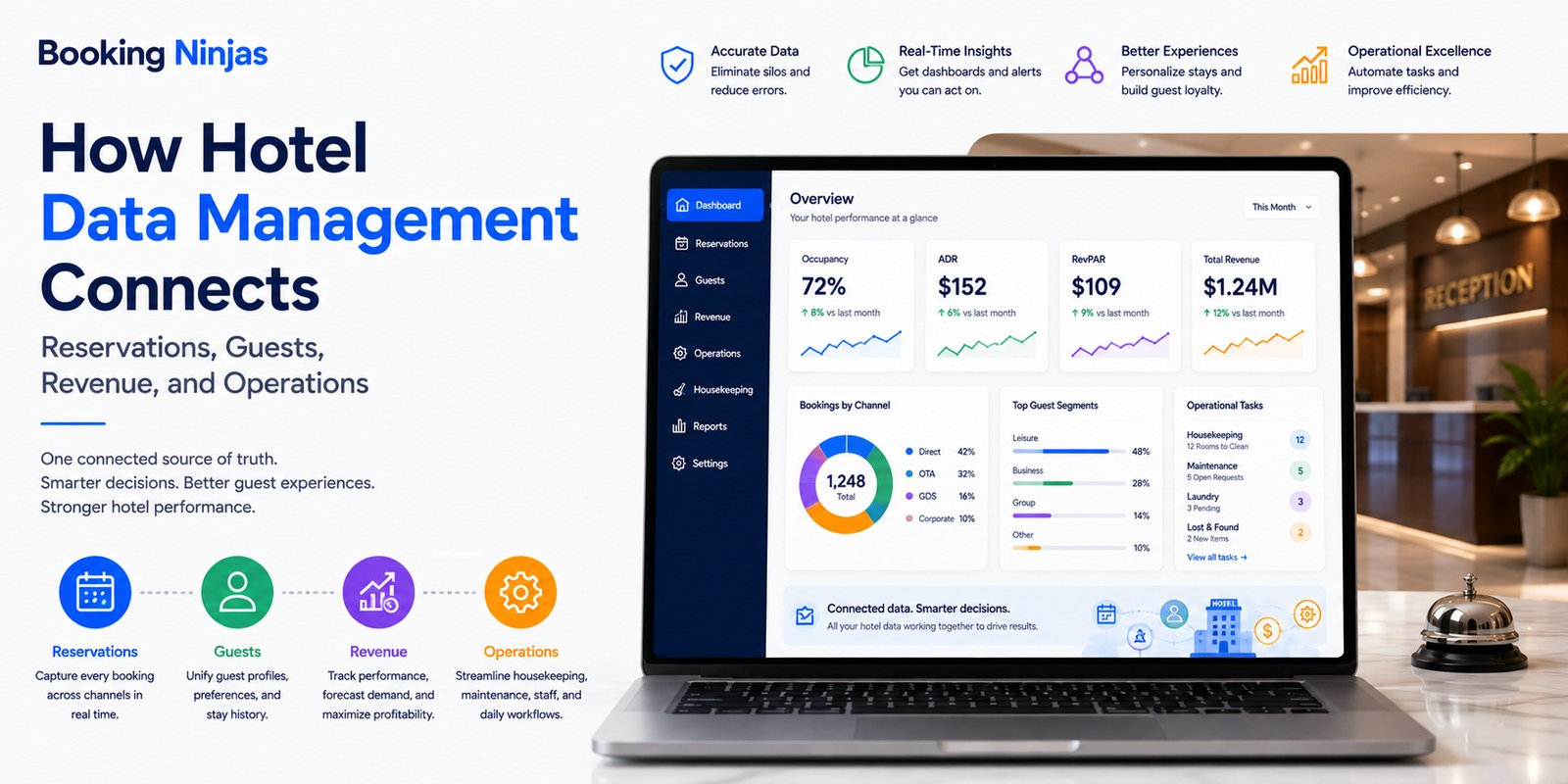
Behavioral segmentation looks at guests’ booking and travel behaviors. This includes factors such as booking channels, length of stay, frequency of visits, and spending patterns. Identifying guests who frequently book through your website allows you to target them with exclusive online promotions.
Booking Source
The platform through which guests book their stay can provide valuable insights. Guests booking through online travel agencies (OTAs) might have different expectations compared to those booking directly through your website. Direct bookers often seek loyalty rewards, while OTA bookers might be more price-sensitive and influenced by reviews.
Implementing Segmentation in Your Hotel
Data Collection
The first step in effective segmentation is gathering accurate and comprehensive data. Utilize your property management system (PMS) to collect demographic and booking information. Additionally, consider using surveys and feedback forms to gather psychographic and behavioral data.
Analysis Tools
Invest in robust data analysis tools that can help you segment your guest data effectively. Many modern PMS and customer relationship management (CRM) systems come with built-in analytics features that can simplify this process. These tools can identify patterns and trends that might not be immediately obvious.
Create Guest Profiles
Develop detailed profiles for each segment, outlining their key characteristics, preferences, and behaviors. These profiles will serve as the foundation for your marketing and service strategies. For example, create profiles for business travelers, leisure travelers, families, and international guests.
Tailored Marketing Campaigns
Use the insights gained from segmentation to craft targeted marketing campaigns. Send personalized email offers to past guests based on their previous stays and preferences. Utilize social media to reach different segments with tailored content and promotions.
Customized Services and Packages
Develop service offerings and packages that cater to the specific needs of each segment. Create family-friendly packages that include discounted rates for adjoining rooms and free meals for children. Offer special amenities for business travelers, such as meeting room access and early check-in options.
Monitor and Adjust
Segmentation is not a one-time process. Continuously monitor the effectiveness of your segmentation strategies and be prepared to make adjustments as needed. Guest preferences and behaviors can change over time, so it’s important to stay agile and responsive.
Real-World Examples
Hilton Hotels
Hilton uses segmentation to offer personalized experiences to their guests through their Hilton Honors program. By collecting data on guests’ booking habits, preferences, and feedback, Hilton can offer tailored rewards and promotions that enhance guest loyalty.
Marriott International
Marriott’s Bonvoy program segments guests based on their travel patterns and preferences. This allows Marriott to provide personalized recommendations and exclusive offers, such as room upgrades and special event access, based on the individual guest’s profile.
Airbnb
Although not a traditional hotel, Airbnb uses sophisticated segmentation to match guests with properties that meet their specific needs and preferences. By analyzing search and booking behaviors, Airbnb can suggest properties that align with the guests’ desired experience, whether it’s a cozy apartment in the city or a beachfront villa.
Segmentation is a powerful strategy for hospitality managers looking to enhance their guest experiences and boost their revenue. By analyzing and categorizing guests based on demographics, booking sources, and other criteria, you can create more personalized and effective marketing campaigns, offer tailored services, and allocate resources more efficiently.
In a competitive industry, understanding and anticipating the unique needs of your guests can set your hotel apart and ensure long-term success. Implementing segmentation requires a commitment to data collection and analysis, but the rewards in guest satisfaction and loyalty are well worth the effort.
Transform your guest experience and boost your revenue with Booking Ninjas' advanced segmentation tools. Start personalizing your marketing and services today by scheduling a free demo of our property management system.